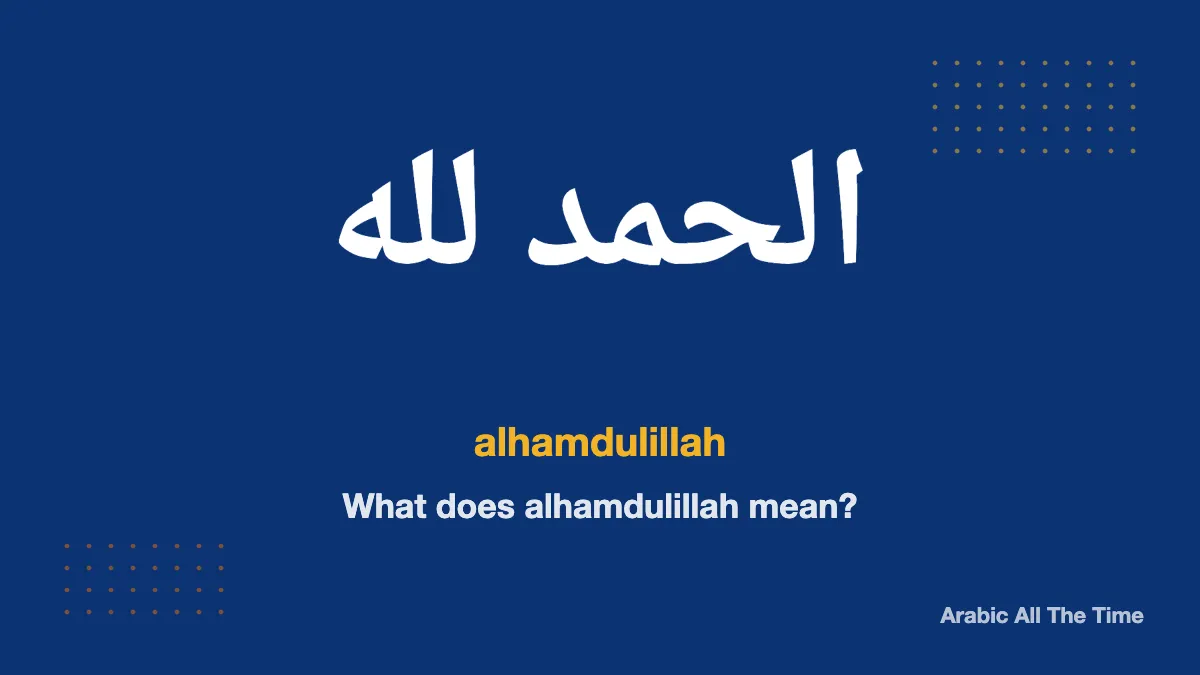
Alhamdulillah (الحمد لله) means "praise be to God," and in everyday life it works like "thank God." Arabs say it many times a day, after a good meal, after good news and, most often, as the answer to "how are you?"
It's a religious phrase at its root, and for many people it's a real moment of gratitude. It's also so much a part of daily Arabic that Arab Christians and people who aren't religious say it too.
What alhamdulillah means, word by word
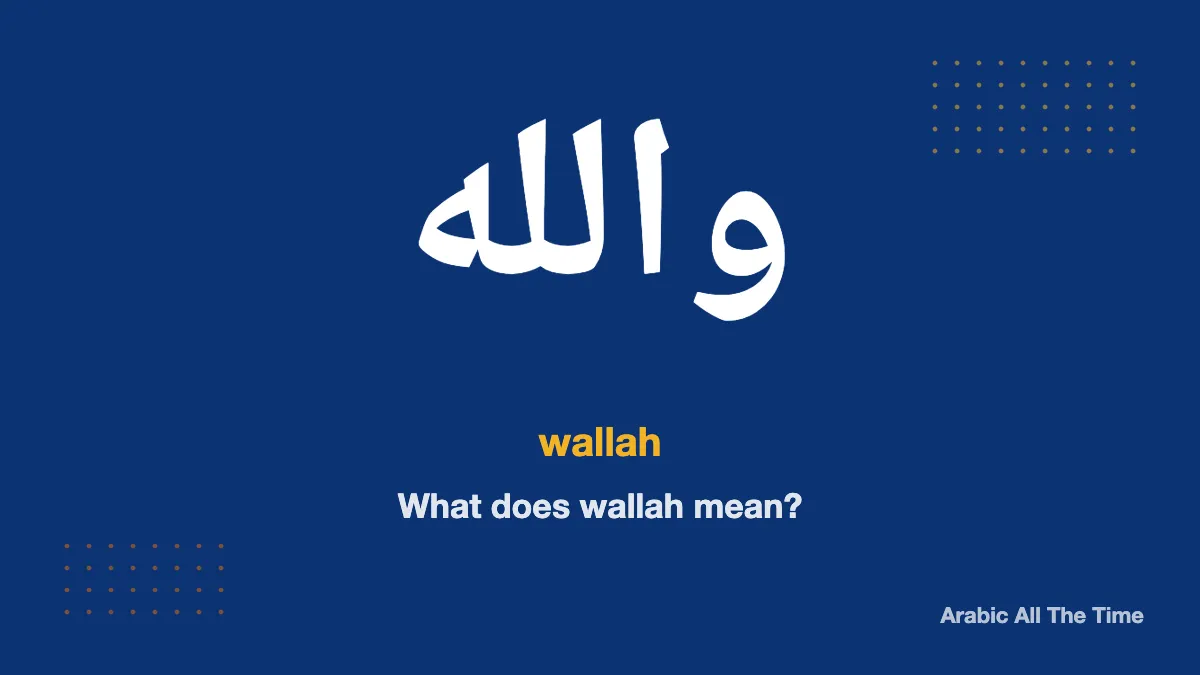
Al (ال) is "the." Hamd (حمد) is praise. Li (ل) means "to" or "for," and Allah (الله) is God. Together they make "the praise is to God."
It also opens the first chapter of the Quran, right after the bismillah, which is one reason every Arab knows it from childhood. In speech it often shrinks to el-hamdulillah or just hamdillah.
When Arabs say alhamdulillah
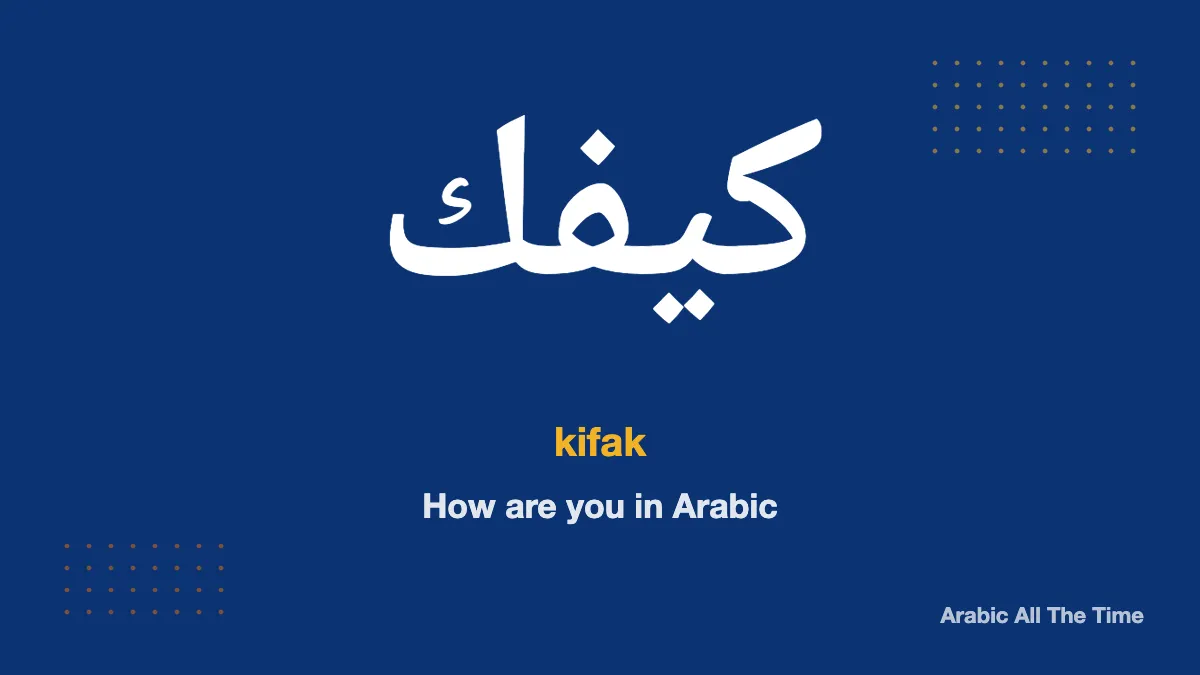
- As the answer to "how are you?" "Kifak?" "El-hamdulillah, mnih." This is by far the most common use. Even when things aren't great, people say alhamdulillah first.
- After eating. Pushing your plate away with an alhamdulillah means "I'm full, and that was good."
- After good news. When the exam went well or the flight landed safely, you say alhamdulillah.
- After bad news. This surprises learners. Saying alhamdulillah when something goes wrong means accepting it, a bit like "it could have been worse."
- After a sneeze. The person who sneezes says alhamdulillah, and others answer yarhamak Allah (يرحمك الله), "God have mercy on you."
Hamdillah 'as-salameh: welcome back
One of my favorite uses is hamdillah 'as-salameh (الحمد لله على السلامة), "thank God you're safe." You say it to someone who just came back from a trip, got out of the hospital or arrived after a long drive. The reply is Allah ysallmak (الله يسلمك) to a man and Allah ysallmik to a woman, "may God keep you safe."
Alhamdulillah, mashallah and inshallah
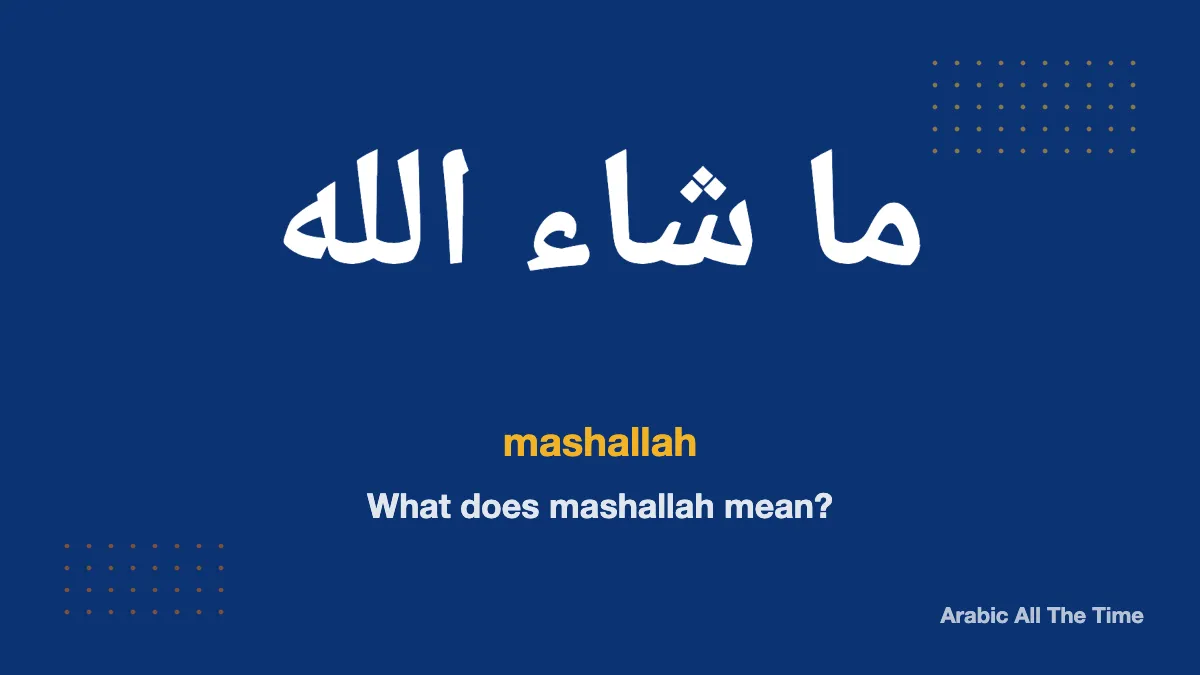
These three come up together so often that learners mix them. Alhamdulillah is thanks for what's already good in your own life. Mashallah is admiration for something good, usually someone else's. Inshallah is hope for something in the future.
"How was the trip?" "Alhamdulillah." "My son got into university!" "Mashallah!" "See you tomorrow?" "Inshallah."
How to reply when someone says alhamdulillah
Usually you don't need to reply to it. If someone answers your "how are you" with alhamdulillah, you can say alhamdulillah back, or move on with the conversation. If they're telling you about good news, mabrouk, "congratulations," fits well.
How to spell alhamdulillah
In Arabic it's two words, الحمد لله. In English you'll see alhamdulillah, al-hamdu lillah, alhamdulilah and hamdulillah, and all of them are understood.
Hear it in real conversations
Alhamdulillah shows up at the start of almost every conversation I film. When I ask Maha how she's doing, she answers "marhabtein, el-hamdulillah mniha, kifak enta?", "hi, thank God I'm good, how are you?", and I answer "el-hamdulillah kello tamam," "thank God, all good" (1:42). You'll hear almost the same exchange in another call with her (0:37). When my sister Lutas is back from her trip, I welcome her with "el-hamdulillah 'as-salameh," and she answers "Allah ysallmak" (1:41). And when Maha talks about the Russian she's been learning for three years, she says "el-hamdulillah, my level is intermediate now" (20:25).
Every video on Arabic All The Time is made to be understood from the first minute, with free videos at every level. For the Arabic people actually speak in Syria, Lebanon, Jordan and Palestine, start with Levantine Arabic.
Frequently Asked Questions
What does alhamdulillah mean in English?
It means "praise be to God." In daily speech it works like "thank God."
Why do Arabs say alhamdulillah when you ask how they are?
Because the habit is to thank God first, whatever the day is like. "El-hamdulillah" comes before "good" or "tired," and sometimes replaces them.
Do people say alhamdulillah after bad news?
Yes. It's a way of accepting what happened, close to "it could have been worse." It isn't saying the bad news is good.
Can non-Muslims say alhamdulillah?
Yes. Arab Christians say it in daily life, and when anyone says it sincerely, people take it warmly.
What is the difference between alhamdulillah and mashallah?
Alhamdulillah thanks God for something good, often in your own life. Mashallah admires something good, usually someone else's.
What does hamdillah 'as-salameh mean?
"Thank God you're safe." You say it to someone who just came back from a trip or recovered from something. The reply is Allah ysallmak, or Allah ysallmik to a woman.